


HSS delegates participate at CBD COP16

Amplifying Southeast Asian Youth Voices: Shaping the Future of Biodiversity Action
12.11.2024
The Hanns Seidel Foundation (HSS) participated in the 16th Conference of the Parties to the Convention on Biological Diversity (CBD COP 16) held in Cali, Colombia, from October 19 to November 2, 2024. COP16 focused on reviewing and accelerating progress toward the 23 Biodiversity targets, established in Canada two years ago under the Kunming-Montreal Global Biodiversity Framework (KMGBF). These targets aim at halting the rapid depletion of the Earth’s natural resources by 2030, including the protection of 30 percent of land and marine areas, restoring 30 percent of degraded ecosystems by 2030, reducing pollution, and gradually phasing out subsidies that harm nature.
HSS brought 3 ASEAN youth leaders from Indonesia, the Philippines, and Thailand to the COP to ensure that youth voices are considered in the implementation of these targets. The delegates were selected based on their previous outstanding contributions and technical knowledge on biodiversity issues. Their participation in COP 16 was the culmination of a long-term program by HSS, ASEAN Centre for Biodiversity (ACB) and Global Youth Biodiversity Network (GYBN) which included several rounds of trainings on biodiversity policies, negotiation techniques, as well as advocacy strategies.

Side Event at COP16
A highlight of the delegation visit was a co-hosted side event with HSS, ACB and GYBN, titled "Partnering with Youth to Achieve the Global Biodiversity Framework." This event underscored the vital role of young leaders in biodiversity conservation efforts. One youth delegate presented findings from a comprehensive mapping of ASEAN youth contributions to biodiversity goals, offering actionable recommendations aligned with the KMGBF targets. This mapping, published through research by HSS, ACB, and GYBN Southeast Asia, highlighted ongoing youth initiatives and identified areas for deeper involvement in biodiversity conservation, urging decision-makers to strengthen youth partnerships in policy processes. The side event ended with the ceremonial signing of an MoU of cooperation between HSS and ACB to enhance civil society's involvement in biodiversity processes and governance across ASEAN, with a strong emphasis on engaging the youth sector meaningfully.
The collaboration with ACB and GYBN highlights that meaningful youth engagement is not only achievable but essential to meeting biodiversity targets. By supporting youth representatives at COP16, HSS reaffirmed its commitment to fostering young leaders in biodiversity, climate diplomacy, and sustainable development. By elevating youth perspectives and creating pathways for ongoing engagement, the collaboration of HSS, ACB and GYBN demonstrated a long-term commitment to empowering young voices in the global biodiversity dialogue.

Outcomes of the UN CBD COP Meeting (COP16)
COP 16 saw several key adoptions which will advance global biodiversity efforts, such as
1. Establishment of a Cali Fund
One significant achievement was that the Parties agreed to establish a multilateral mechanism, including a global fund, called of the “Cali Fund” for sharing benefits derived from digital sequence information (DSI), or genetic data, used by biotechnology companies. Under this mechanism, companies that use DSI will now allocate part of their profits to support biodiversity projects in developing countries. Fifty per cent of the fund will be allocated for Indigenous Peoples and Local Communities (IPLCs). This agreement is intended to equitably distribute benefits while recognizing the valuable contributions of local and traditional knowledge.
2. New Programme of Work on Article 8(j) adopted
Another major decision was the formation of a permanent advisory body specifically for Indigenous Peoples and people of Afro descendant communities, giving these communities a formal voice in biodiversity governance under Article 8(j). The new Subsidiary Body will enhance the engagement and participation of indigenous people and local communities in all convention processes.
3. Challenges
While COP16 led to substantial progress, crucial issues regarding financing and monitoring remain unresolved. Delegates were unable to reach a consensus on a new funding mechanism to support biodiversity protection or to finalize a framework for monitoring progress under the KMGBF. These topics will be revisited at future meetings.
ASEAN Working Group Meeting: Empowering Youth for Biodiversity

Highlights from the 34th Meeting of the ASEAN Working Group on Nature Conservation and Biodiversity
18/07/2024
At the 34th ASEAN Working Group on Nature Conservation and Biodiversity (AWGNCB) Meeting in Singapore, the Hanns Seidel Foundation proudly showcased its partnership with the ASEAN Centre for Biodiversity (ACB) and the Global Youth Biodiversity Network Southeast Asia (GYBN SEA). This year's highlight was the presentation of "Mapping Youth Contributions to the Kunming-Montreal Global Biodiversity Framework," a project documenting the contribution of ASEAN Youth to global biodiversity goals. With 11 passionate young leaders sharing their insights, this project emphasizes the crucial need to empower the next generation in shaping National Biodiversity Strategies and Action Plans (NBSAPs) and ensuring the inclusion of their voices in global conservation processes.
The 34th Meeting of the ASEAN Working Group on Nature Conservation and Biodiversity (AWGNCB) was held in Singapore on 18 July 2024, representing a significant event in the ongoing regional efforts toward biodiversity conservation. This annual meeting, organized by the host country Singapore, in collaboration with the ASEAN Centre for Biodiversity (ACB) and the ASEAN Secretariat, brought together national representatives from ASEAN Member States, partners from Germany, the United States, Europe, Japan, as well as 11 selected youth participants.
The inclusion of youth participants at this high-level meeting marked a significant step forward in fostering a new generation of leaders committed to biodiversity conservation. The young representatives were involved on the discussions, bringing fresh perspectives and innovative ideas to the table during the open session of the meeting. Their involvement aligns with ASEAN’s broader goals of integrating youth voices into policy development and ensuring that the region's biodiversity strategies are inclusive and forward-thinking. The participation of youth at this year's AWGNCB Meeting underlines ASEAN's commitment to involving young people as a follow-up to last year's 33rd AWGNCB Meeting, which was the first time youth were invited to ASEAN Working Group Meeting on Biodiversity.
During the meeting, a major highlight was the announcement that ACB had been recognized as a Regional Center for the implementation of the Kunming-Montreal Global Biodiversity Framework (KM-GBF) within ASEAN. This designation, which was conferred at the Fourth Meeting of the Subsidiary Body on Implementation (SBI 4) in Nairobi, Kenya, positions ACB as a key player in global biodiversity initiatives. The center is now part of a network of 18 regional support centers worldwide, reinforcing ASEAN’s commitment to contributing meaningfully to global biodiversity goals.
Highlighting Youth Contributions
A prominent feature of this year's meeting was the involvement of 11 young leaders from various youth organizations, like GYBN. Their Southeast Asia Chapter presented outcomes of the project "Mapping Youth Contributions to the KM-GBF”, which was conducted in collaboration with HSS and ACB. This mapping project is expected to help acknowledge, address issues, and amplify the role of youth in shaping the future of biodiversity conservation. Their contributions align with global biodiversity objectives and demonstrate the innovative approaches that young people are bringing to the field. The findings from this mapping will be presented at a side event during COP16 in Cali, Colombia, in 2024.
Key Discussions and Outcomes
- Policy Updates and KM-GBF Projects: The meeting served as a platform for ASEAN Member States to provide updates on their biodiversity conservation policies and KM-GBF related projects. This exchange is essential for aligning regional efforts and enhancing the effectiveness of conservation strategies.
- Preparation for COP16: The meeting highlighted the necessity of updating National Biodiversity Strategies and Action Plans (NBSAPs) in preparation for COP16. This process is crucial for demonstrating the ASEAN region’s commitment to biodiversity and its contributions to global conservation goals.
- Youth Contributions: The insights provided by youth participants on engaging younger generations in conservation efforts were well-received. Their perspectives underscored the importance of intergenerational collaboration in achieving sustainable biodiversity outcomes.
In conclusion, the 34th AWGNCB Meeting not only reinforced ASEAN's dedication to biodiversity conservation but also highlighted the importance of youth engagement in these efforts. With the ACB's newly recognized role as a Regional Center for the KM-GBF and the active participation of youth in this meeting, ASEAN is well-positioned to lead by example in global biodiversity initiatives.
Quote by the ASEAN Member State:
" We strongly support youth-led projects and encourage all ASEAN Member States to actively endorse and promote youth-driven initiatives within their respective countries”.
Advancing Biodiversity Policy: Thailand Youth Leadership in Action

Empowering Voices: How Thailand’s Youth Are Effectively Engaging Decision Makers
05/25/2024
From 22nd to 25th May 2024, the Hanns Seidel Foundation (HSF) hosted a training initiative with a transformative local youth-led project in Thailand, aimed at equipping youth leaders with essential skills in biodiversity policy advocacy. The event was conducted in collaboration with the ASEAN Centre for Biodiversity and the Global Youth Biodiversity Network. The local deep-dive training on "Effectively Engaging with Decision Makers" marked a significant step forward in fostering action on sustainable development goals among emerging environmental leaders. This program builds upon the success of a regional training program on the same subject which was conducted in October 2023 in Malaysia.
Training Overview
Twenty youth leaders from diverse provinces across Thailand participated in the deep-dive training on "Effectively Engaging with Decision Makers". The training forms part of the Thailand Local Young Environmental Advocate Fellowship 2024 – a one-year program developed by youth in Thailand, to strengthen local environmental youth networks and enable intergenerational collaboration with local decision-makers towards environmental sustainability. The event on "Effectively Engaging with Decision Makers" was designed as a follow-up to the regional program on the same subject which took place in 2023 in Malaysia for youth from all 10 ASEAN countries. While the regional deep-dive training had addressed aspects that were of relevance for all 10 countries, the current workshop focused specifically on the country context within Thailand.
Key Learning Objectives and Achievements
The training aimed at advancing participants' understanding of national and local governance structures, policy processes, and relevant international agreements like the Kunming-Montreal Global Biodiversity Framework and Sustainable Development Goals.
Participants immersed themselves in comprehensive sessions covering:
- Policy Analysis and Advocacy Skills: Through interactive workshops and practical exercises, youth leaders enhanced their abilities in policy analysis, system thinking, and effective communication with decision-makers
- Roadmap Development: A pivotal outcome of the training was the creation of a strategic Youth Roadmap. Aligned with ongoing initiatives such as the Local Conference of Youth, this roadmap outlines actionable steps for youth-led projects aimed at influencing biodiversity policies in Thailand.
This event was attended by the representatives of the Office of Natural Resources and Environmental Policy and Planning Thailand and of the Department of Climate Change and Environment.

(Seaside Chat Session with Mrs. Julia Berger, Resident Representative of HSF)
Impact and Sustainability
The training not only enhanced participants' knowledge and skills but also facilitated the establishment of a robust network of young advocates, committed to biodiversity conservation and sustainable development. By integrating feedback from evaluations, future iterations of similar initiatives will further optimize participant engagement and ensure lasting impact through continuous follow-up and support mechanisms.
The local deep-dive training exemplifies a collaborative effort to empower youth leaders as catalysts for positive change in biodiversity conservation. With ongoing support from donors and partners, initiatives like these promise to shape a generation of informed and influential advocates capable of driving meaningful policy reform and environmental stewardship across ASEAN. This training has paved the way for meaningful youth involvement, enabling them to confidently advocate for sustainable policies and contribute to shaping a greener future.
Quote by the Youth:
"Participating in the Local Deep-dive Training has been a transformative experience. Before this, I was more familiar with climate change issues, but now I understand the critical role of biodiversity in our ecosystems and policy-making processes. This training has empowered me with the skills and confidence to engage effectively with decision-makers and advocate for sustainable environmental policies in Thailand."

(Presentation Session by participants on Youth Roadmap and Stakeholder Mapping in Thailand)
YSAN Dialogue on Tackling Air Pollution in South Asia
YSAN Brings South Asia’s Experts Together To Share Solutions Towards Region’s Air Pollution Crisis
Author: Mavra Bari (YSAN Fellow)
11/10/23
Countries and people in South Asia have a lot in common - a shared history; culture, from culinary to customary. South Asia is a rich, vibrant, and diverse tapestry but some shared realities in South Asia are banes, not boons. Air pollution is one such pervasive issue faced by most countries in the region. Urban centers from Kathmandu to Lahore are choked by smog each winter, as annual emissions get trapped in cold air pockets, dimming visibility and leading to ripple impacts in terms of citizen health and well-being. Smog is wrongly considered a seasonal issue. A prevalent misconception is that air pollution, i.e. “smog” is a seasonal health risk, however countries produce the same number of emissions all year round but the difference is that in winter months, air does not rise so the pollutants become visible. To prevent smog, the causes of air pollution have to be addressed every day of the year by governments, citizens, corporations, and the milieu of the city.
Towards Shared Solutions
In 202, Pakistan, Bangladesh, and India have been ranked as the third, fifth, and eighth most polluted countries in the world respectively. [1] (https://www.iqair.com/world-most-polluted-countries) The region is home to 37 out of the 40 most polluted cities in the world, with 60 percent of the region’s population living in areas that exceed the WHO air quality standards. According to estimates, air pollution causes two million premature deaths in the region annually. It has also become a leading cause of many non-communicable health risks including respiratory diseases, reduced cognitive development, ischemic heart disease, lung cancer, strokes, and type II diabetes. Additionally, it is reported to have a correlation to dementia in the elderly population of the region. [2] (https://www.nih.gov/news-events/nih-research-matters/air-pollution-linked-dementia-cases)
This transboundary crisis is a shared reality, so solutions also need to be innovated collectively and shared across borders to improve the lives of citizens, enabling them to breathe easily and preventing countries from falling further into health, social, and economic crises. In addition to driving up healthcare costs, and resultantly burdening the economy, air pollution is causing economic losses due to loss of productivity.
Against this backdrop, the first cohort of the Young South Asian Network (YSAN) of Hanns Seidel Foundation (HSF) organized an online Dialogue titled ‘Tackling Air Pollution in South Asia: Mobilizing for Change’ to deliberate on a solution-oriented and socially-just approach to tackling the pressing issue of air pollution in the South Asia region. The session also addressed the role of the local urban bodies and the significance of eco-innovation as a catalyst in effectively improving air quality. The event provided an interactive platform for more than 50 participants from diverse backgrounds, including academia, research, and development, to collectively address the multifaceted challenges posed by air pollution and to discuss effective strategies and innovations that can lead to meaningful change.
The event started with the welcome remarks from Mr. Stefan Burkhardt, Head of Division South/ Southeast Asia, Hanns Seidel Foundation (HSF). Stefan shared how HSF has brought together young and promising future leaders from across South Asia through Young South Asia Network (YSAN) to conduct a multilateral discourse on common challenges. He further commented that “To tackle the massive issue of air pollution in South Asia, solutions have to be innovative and socially-just.
YSAN Fellow, Ayesha Majid, who is a Program Coordinator at the Institute of Urbanism eloquently outlined the session’s objectives, which was to provide a broad overview and cross-country and cross-institution perspectives on air pollution and responses to prevailing challenges, possible solutions, implementations, and strategies in South Asia region. It featured case study presentations by YSAN fellows, unveiling a practical action plan for tackling the massive issue of air pollution in the region as well as the interactive discussion among the participants and experts on the topic in breakout sessions.
Ayesha stressed the importance of youth’s involvement in problem solving, saying, “Youth’s role is crucial as their quality of life is intricately linked to how we are collectively able to tackle this challenge. This session is aimed at fostering dialogue among youth and to learn from each other how countries in South Asia can stop topping the list of most polluted countries in the world.”
Case Studies and Success Stories: Working Together for Cleaner Air
YSAN Fellows then ensued on presenting case studies on air pollution from their respective cities in the region. First up was Raghavendra Mahto, Co-Founder at Dokos Recyclers Pvt Ltd, Kathmandu who presented several case studies and success stories from Nepal and India. One case study focused on the Nepal Rural Mountain Waste Management.
As Raghavendra is a waste management practitioner he shared that “Domestic waste burning is predominant in South Asia and Africa and is becoming a significant problem for waste management. Due to insufficient waste management systems such as landfills that are not designed to capture methane and other pollutants”.
He touted source segregation as fundamental and noted that only with this practice can we solve South Asia’s multifaceted pollution problem. He presented a case study of Indore in India to illustrate his point.
Another pertinent tenet of waste management, Raghavendra elaborated was ‘Extended Producer Responsibility’ which is enforced upon companies who are responsible for collecting and manage the waste they produce. He noted that while Nepal is in phase 1 of EPR, India is in phase 2 in certain areas and the EU is a true circular economy.
It was followed by a presentation by Ayesha Majid, who presented the nexus of air pollution and transportation in Lahore, Pakistan. Among others, she suggested the following solutions to revamp transportation in major cities in Pakistan:
- Expansion of public transport
- Electrification of two & three wheelers
- Fines imposed on smoke emitting vehicles
- Fuel adulteration monitoring
- Removal of traffic barriers during smog
She also stressed the importance of increasing green cover to make cities more walkable and cyclable for citizens, in addition to advocating for government-led solutions.
She pointed out that while Electric Vehicles are an integral part of the clean energy transition in transport for adaptation and mitigation to the climate crisis, “Government needs proper channels for e-waste disposal. Phasing out of combustible engine cars needs to be done in a socially just manner before blanket bans are placed that can lead to green gentrification.”
She noted that the trifecta of policy change with eco-driving alternatives with digital solutions can be meaningful ways and metrics to cut emissions and lead to more sustainability and better health.
Lastly, Mehak Dudeja, Program Associate at Air Pollution Action Group (A-PAG) presented her case study on air pollution in New Delhi and highlighted what the government is doing to tackle air pollution.
She commended the city’s Graded Action Plan (GRAP): An emergency response mechanism based on AQI level of Delhi that has helped disaster mitigation and risk reduction in the city. She also shared the following positive measures:
- Installation of CAAQMS (Continuous Ambient Air Quality Monitoring Station)
- Water sprinkling on roads
- Greening ; vertical greening of pillars and flyover greening
- Deployment of safeguards during C&Dand fining of violators
- Prevention of biomass burning : Deployment of env marshalls
- Paving of road & roadsides
Mehak also elaborated the role the Government, particularly the Urban Local Bodies (ULBs) in mitigating air pollution. “These kinds of local government reinforcements can have a really positive impact on citizen action and awareness as well as it is on a more grassroots level. These are available for a citizen who can the decide what kind of impacts they want to make in terms of citizen engagement in the city,” said Mehak.
ULBs and citizens are doing the following in New Delhi:
- Removal of garbage
- Prevention of waste burning
- Removing sand piled on roadsides
- Partnering with NGOs and engaging volunteers for issue identification.
- Empowering volunteers as area leaders in meetings to address air pollution.
- Enhancing accountability via Town hall meetings.
- Using boards and banners to highlight the costs of air pollution.
- Road repair & maintenance; including tertiary roads, unauthorised areas
Learning from Expertise: Change Starts When Communities Come Together
Deep dive sessions with experts followed presentations that were led by, Karthik Ganesan, Fellow & Director, Research Coordination, Council on Energy, Environment & Water (CEEW) and Abid Omar, Founder, Pakistan Air Quality Initiative on Policy Response to Air Pollution and Eco-innovation, respectively.
Karthik brought up the issue of the transboundary complexity of monitoring and navigating air pollution during the breakout session. He noted that as South Asia is very behind even basic air monitoring, governments need to conduct monitoring as a priority even if they do not have the means to meticulously analyze data.
“There will be certain pockets where there will be confounding factors. Quirks of atmospheric chemistry we can address at later stages. This is a first-world problem of sorts, South Asia’s needs to start the comprehensive monitoring process at least,” said Karthik.
He also stressed that whether top-down and bottom-up governance is employed, citizen’s also need to play a crucial role.
“It is also about the citizen's realizing what action is needed on their part to contribute to the success of policy because the government doesn’t have eyes to monitor at all levels and doesn’t have the capacity to meet all complaints,” he added.
Abid looked at the prevalent practice of crop burning in South Asia and gave the eco-innovation of the Happy Seeder as an example which is a no-till planter towed behind a tractor, that sows seeds in rows directly without and mitigates the need for crop burning. The expert noted the high-cost and difficulty in scalability of technology interventions however, and exalted non-technological solutions for developing contexts. He shared solutions such as regenerative plantation and agriculture that are much more cost-effective with fewer GHGs, and less water use and solve crop burning problems.
On the topic of air pollution, Omar noted that while some cities in South Asia have secured a notoriously noxious reputation for air pollution, even seemingly “cleaner” cities are silently suffering. He gave the example of Pakistan’s capital Islamabad and noted that the AQI is dangerous for sensitive groups and the city’s trademark hills lack visibility for half the year. He noted that clusters of brick kilns in the industrial area of Hatar is a mere 20 km from Islamabad.
“Air pollution doesn’t know any boundaries, doesn’t see barriers between cities or countries or where pollution is coming from. So, the solutions need to come from all of us. Yesterday’s pollution builds up to today's and tomorrow’s pollution and the concentration keeps rising, visibility drops and health problems rise,” astutely shared Abid.
Meaningful Youth Participation and Effectively Engaging with the Decision-makers.

Empowering Youth in Policy-Making Process: HSF, ACB, and GYBN Lead the Way.
10/12/2024
HSF, along with ACB and GYBN, addressed the concerns of young people within the policymaking process by actively engaging them. This six-day intensive training focused on imparting essential skills and knowledge necessary for youth involvement in environmental policymaking across various countries. The program delved into topics such as Government Structure and Policy Processes in both ASEAN and Germany, providing comprehensive insights. By involving young people, the workshop aimed at ensuring that their voices are heard and that their ideas are part of the conversation about the future.
The Hanns Seidel Foundation (HSF), in partnership with the ASEAN Center for Biodiversity (ACB) and the Global Youth Biodiversity Network (GYBN), organized a skills training program for young individuals from 7th to 12th October 2023 in Malaysia. This transformative program attracted 17 participants from ASEAN countries and from Germany.

Under the overarching theme of "Effectively Engaging with Decision-Makers," the training delved into a spectrum of sub-topics strategically curated to enhance participants' capacity for impactful influence. These encompassed Advocacy Skills, Negotiation and Lobbying, Diplomacy, Policy Brief Writing Skills, Government Structure and Policy Processes in ASEAN Countries, Environmental Law, Leadership Skills, and Stakeholder Analysis. Through this comprehensive training, participants were equipped with the tools and knowledge necessary to effect positive change and influence decision-making processes at local, regional, and global levels.
Beyond theoretical understanding, the program focused on practical applications, training individuals in the art of lobbying during negotiations and cultivating diplomatic finesse crucial for collaboration with policymakers on pressing environmental issues. Through this immersive experience, young representatives gained valuable insights into crafting persuasive Policy Briefs under experts’ guidance such as Chee Yoke Ling, Lim Li Lin, and Lim Li Ching from the Third World Network. With decades of experience in environmental advocacy and international policy frameworks, these mentors provided participants with the tools and confidence to not only influence but also drive meaningful change on a global scale, engagements with significant frameworks like the Convention on Biological Diversity and the UN Framework Convention on Climate Change and their respective Protocols.

Furthermore, the program underscored the importance of youth representation in policy discourse by providing a platform for direct engagement and skill development. By honing their abilities to navigate complex policy processes and articulate their perspectives effectively, participants were empowered to become catalysts for positive environmental action in their communities and beyond. Through this collaborative effort, the initiative seeks to amplify the voices of young leaders and foster a new generation of change-makers dedicated to environmental sustainability and policy innovation.
In addition to structured training sessions, the program featured the innovative "Seaside Chat" format, where participants engaged in open-air discussions with mentors. This dynamic exchange offers young individuals a unique opportunity to share perspectives and glean insights from seasoned experts actively involved in negotiating biodiversity and environmental issues. Notable figures like Kittikun Saksung, who represented young voices at the Biodiversity Conference of Parties (COP), enriched these conversations with their firsthand experiences and expertise.
This workshop forms part of a larger cooperation between HSF, ACB and GBYN focusing on youth participation in environmental decision-making processes in ASEAN. The program will be continued by follow-up trainings at the national level selected ASEAN countries.
Participants attested to the significant impact of this activity, expressing gratitude for the opportunity to deepen their knowledge and skills. Through such trainings, young leaders are not only equipped with valuable tools but also inspired to take on pivotal roles in shaping environmental policies and driving positive change in their communities, as exemplified by a quote from Thongpanh Toummaly (Lao PDR): “This training has provided me with a good opportunity to know about government structure and how policies get adopted within ASEAN countries. In contrast, I have learned and understood more about what ASEAN can do and cannot do. Also, I know now how important negotiations are at a global level (International Law/ treaties). […] Moreover, I got to know how to write policy briefs and what such briefs consists of what. Lastly, this training has provided such a great platform for me to be able to meet and build a networking with others youth who are working in biodiversity within ASEAN countries.”
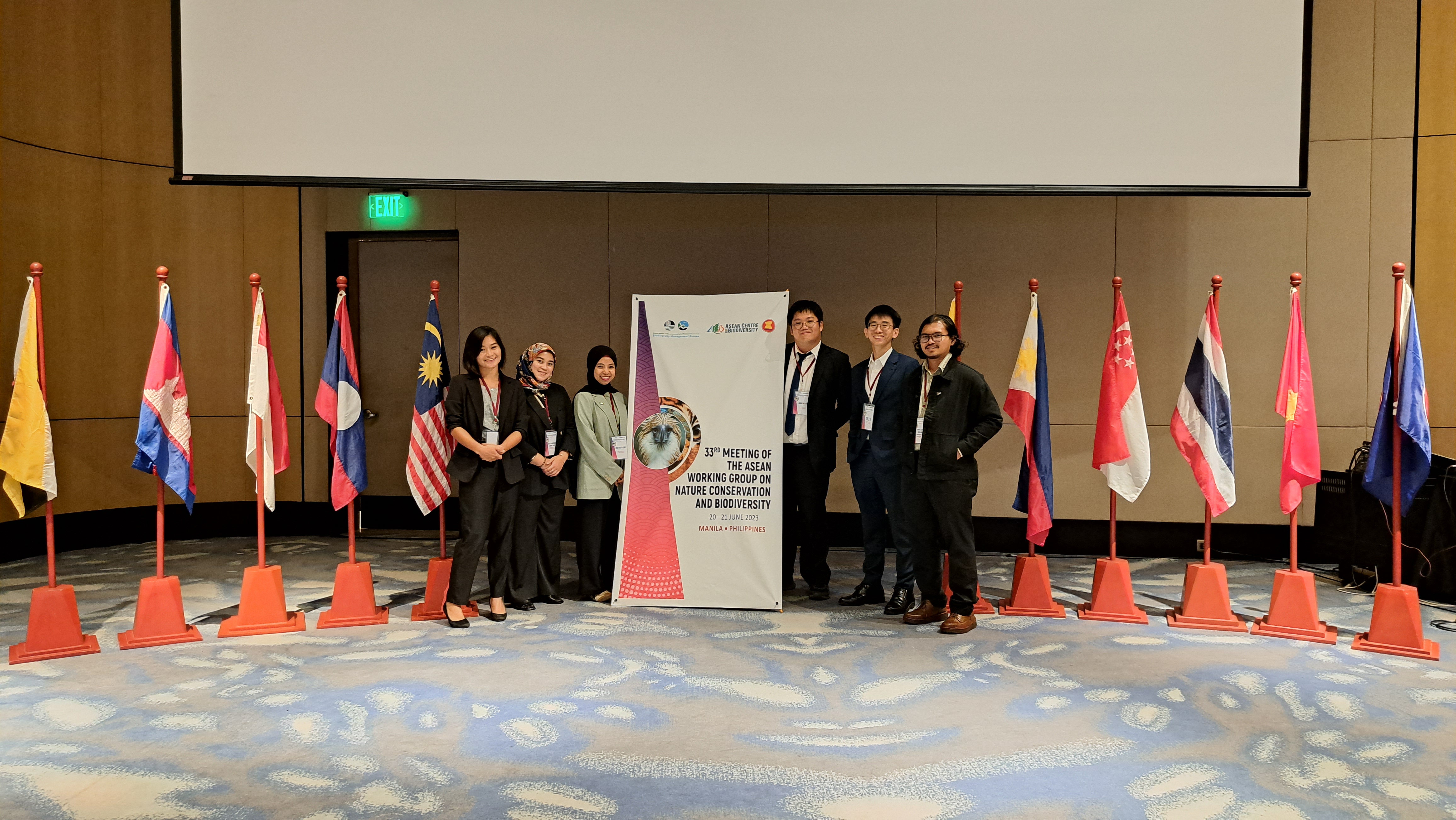
Youth Representative at the ASEAN Working Group on Nature Conservation and Biodiversity (AWGNCB) Meeting in Manila
A Milestone of youth Participation in High-Level meetings in ASEAN
ASEAN Youth Representative Join Regional Meeting on Biodiversity
06/22/2023
After 33 years of meetings of the ASEAN Working Group on Nature Conservation and Biodiversity (AWGNCB), youth representatives were invited for the first time to discuss biodiversity issues with environmental officials from the ASEAN Member States (AMS). Selected youth from five ASEAN countries shared their experience in biodiversity conservation and management and presented their ideas about how youth can be meaningfully involved in biodiversity discussions at the ASEAN level.
The AWGNCB was established by ASEAN leaders to intensify cooperation in addressing problems associated with the conservation and sustainable use of biological diversity, and further strengthen regional coordination and collaboration in addressing issues related to biodiversity. The AWGNCB meets annually and is part of a broader institutional framework of cooperation on the environment of the ASEAN Secretariat. It is a technical advisory body to the ASEAN Centre for Biodiversity (ACB). The AWGNCB also monitors and develops a joint ASEAN stand, where applicable, on international and regional conventions and agreements related to nature conservation and Biodiversity.

This year, the 33rd AWGNCB Meeting was held in Manila, Philippines from 20-21 June 2023. Hanns Seidel Foundation (HSF), together with the ACB, supported six youths from Brunei Darussalam, Indonesia, Malaysia, the Philippines, and Singapore to attend and participate in the open session of the 33rd AWGNCB Meeting. The activity was an opportunity for the selected youth representatives who had previously been trained through the Youth Biodiversity Leaders (YBL) programme to engage directly with their decision-makers on biodiversity issues. The YBL programme is one part of a youth programme by the ACB called the ASEAN Youth Biodiversity Programme (AYBP) which aims to empower the next generation to contribute to formulating and implementing biodiversity policies at all levels. One of the objectives of the AYBP is to "capacitate ASEAN youth to be able to understand and engage in biodiversity decision-making at national and regional levels."
There was a notable synergy and effective communication between the youth delegates and the representatives of the AMS. The youth were actively engaged in discussions regarding biodiversity, environmental decision-making processes, and climate change at the ASEAN level, and the AMS expressed their appreciation for the youth's participation and welcomed their valuable contributions. The dialogue with the youth continued during the informal agenda, and the AMS conveyed their openness to providing continued opportunities and support for the youth's involvement in such discussions.
For the youth, being able to attend the meeting helped them to better understand biodiversity policy processes in the region and related decision-making processes at the ASEAN level.

Quote by the Youth representative:
Tay Li Si from Singapore remarked: "Through this experience, I definitely feel more ready than before this trip. This experience has taught me the importance of certain protocols when engaging in decisions that might have political implications. At the same time, it has also taught me the importance of seeking opportunities for networking because sometimes the actual work is done when you are not working".
Hjh Siti Norfarwizah Hj Mohd Ja'afar, Youth representative from Brunei Darussalam, stated: "The meeting has helped me think about how to approach policymakers and introduce ideas for future collaborations. I observed that the ASEAN delegates shared impactful projects that Youth can definitely participate in and contribute to if we are given the opportunities - we need to be heard and seen. After the meeting, I am very interested in how the event is conducted. I am impressed by the flow of the program and agenda. Having me in the same situation with the AMS and country delegates, I feel motivated to continue progressing my projects."

Youth-led discussions with ASEAN Government representatives during Biodiversity Month

HSF collaborates with ACB and GYBN to implement a series of dialogues during the annual month of Biological Diversity. The events aimed to encourage collaboration between youth in selected ASEAN countries and their Convention of Biological Diversity’s National Focal Point.
07/28/2023
Youth leaders from 5 ASEAN countries (Lao PDR, Philippines, Singapore, Thailand and Vietnam) held dialogues on the updating process of their National Biodiversity Strategy and Action Plans (NBSAP) and Kunming Montreal Global Biodiversity Framework (KM GBF), with their National Focal Point and selected stakeholders. The updating process is an outcome of COP15, requiring each signatory to the Convention of Biological Diversity (CBD) to update their NBSAP the latest until the next CBD COP which will be held in 2024 in Colombia. The youth led discussions highlighted relevant outcomes of COP 15, shed light on the status quo of the NBSAP updating process in each country, and addressed the question, how youth can be meaningfully involved in this process.
In celebration of Biological Diversity Month, Hanns Seidel Stiftung (HSF), in partnership with the ASEAN Centre for Biodiversity (ACB) and the Global Youth Biodiversity Network (GYBN), organized a series of intergenerational dialogues aimed at fostering collaboration between youth from selected ASEAN countries and their respective CBD National Focal Points (NFPs). Youth leaders from Lao PDR, the Philippines, Singapore, Thailand, and Vietnam engaged in substantive discussions concerning the updating of their NBSAPs and the implementation of the KM GBF. These dialogues, inspired by the outcomes of COP 15, sought to explore and enhance the role of youth in these critical biodiversity initiatives.
The initiative commenced in Vietnam, a country distinguished by its remarkable biodiversity. During the inaugural session, Ms. Ta Thi Kieu Anh from the Biodiversity Conservation Agency under the Ministry of Natural Resources and Environment (MONRE) presented Vietnam's comprehensive NBSAP. Her engagement with the youth revealed a profound appreciation for their enthusiasm and expertise, emphasizing the crucial importance of involving young people in biodiversity conservation efforts. Ms. Ta expressed both surprise and admiration for the depth of knowledge and commitment, exhibited by the youth participants, which positively influenced her perspective on their indispensable role in the NBSAP updating process and broader conservation strategies.
In Singapore, National Focal Point Ms. Wendy Yap articulated the country's receptiveness to youth input in updating the NBSAP. She underscored the value of youth contributions and encouraged their active participation in national biodiversity planning. Similarly, in Thailand, youth-led sessions included extensive discussions on NBSAP updates and emphasized capacity-building activities. These events, supported by the Office of Natural Resources and Environmental Policy and Planning (ONEP), showcased the Thai government's dedication to empowering youth in biodiversity initiatives. The Secretary of ONEP advocated for the broader promotion and engagement of youth in public relations efforts related to biodiversity conservation, highlighting a robust institutional support for youth-led activities.
The series concluded with impactful dialogues in Laos and the Philippines. In Laos, Mr. Thevarack Phonekeo, Deputy Director-General of the Department of Environment under MONRE, provided a comprehensive overview of Laos’s NBSAP (2016-2025) and discussed strategic approaches to biodiversity conservation. He acknowledged significant challenges in implementing the NBSAP, such as data collection difficulties and complex bureaucratic processes, yet emphasized the essential role of youth as key stakeholders in addressing these issues. In the Philippines, GYBN, in partnership with the Department of Environment and Natural Resources Biodiversity Management Bureau, facilitated discussions aimed at integrating youth perspectives into the NBSAP updating process. These collaborative sessions enabled the government to gather valuable youth input for enhancing the country’s biodiversity strategy. Despite challenges like varying organizational interests and political complexities, the active engagement and innovative perspectives of the youth offer a promising outlook for the future of biodiversity conservation in the ASEAN region.
Reflections from Youth Participants
The dialogues received enthusiastic feedback from youth participants, who felt inspired by the collective passion for biodiversity conservation. One participant from Vietnam shared: "Participating in this dialogue was truly inspiring. It brought together a diverse group of passionate individuals working towards a common goal of biodiversity conservation. The discussions were thought-provoking, and the youth participants showed great enthusiasm and dedication. It gives me hope for the future of biodiversity conservation in Vietnam."
Another participant emphasized the importance of accurate and thorough information dissemination and the role of youth in spreading awareness: "I have gained vast knowledge from the seminar. There is a need to address certain issues more clearly, as some organizations might provide overwhelming amounts of information. I aim to use my platforms and voice to spread awareness about environmental and biodiversity protection."
Youth Biodiversity Leaders Academy 2023

Youth representatives from 10 ASEAN countries attend the Youth Biodiversity Leaders Academy to develop recommendations for decision-makers in biodiversity governance in ASEAN
Follow-up event by Youth Leaders on the COP 15 Kunming-Montreal Global Biodiversity Framework
02/05/2023
The 15th Conference of Parties (COP 15) to the UN Convention on Biological Diversity adopted 23 targets for the Kunming-Montreal Global Biodiversity Framework in December 2022, including the historic 30 by 30 goal in which countries pledged to protect 30 per cent of the world’s land and sea by 2030 in an effort to stem biodiversity losses around the globe. As a follow-up event, the Hanns Seidel Foundation supported the Youth Biodiversity Leaders Academy in Singapore from 30th January to 5th February 2023. The event was organized by the official youth constituency to the Convention on Biological Diversity, the Global Youth Biodiversity Network (GYBN) in collaboration with the ASEAN Centre for Biodiversity (ACB). The Academy was hosted by the Singapore National Parks Board (NParks).
The Youth Biodiversity Leadership (YBL) academy forms part of a larger ASEAN Youth Biodiversity Programme (AYBP), funded by the European Union. The program facilitates the representation of youth from all 10 ASEAN countries in order to influence international biodiversity policies. The YBL program provides in-depth capacity building and mentorship to youth leaders in the region in order to increase youth participation in biodiversity governance and strengthen youth-led conservation efforts in the ASEAN. Each year, 20 youths from the region who are passionate advocates of biodiversity and leaders of conservation efforts in their respective countries join as Youth Representatives for the YBL programme. The long-term objective of the program is the recognition and involvement of youth in biodiversity strategies and action plans at the local, national, and regional level.
This year’s YBL academy provided training to 22 selected youth leaders on biodiversity governance and policies like the UN Convention on Biological Diversity (CBD) as well as the recently-adopted Kunming-Montreal Biodiversity Framework (GBF), and explored how these connect to their conservation work on the ground. The event was also attended by 10 alumni from past YBL programmes (2019 and 2020), GYBN facilitators, Hanns Seidel Foundation (HSF), ACB staff, as well as selected resource persons from regional and local NGOs, international organizations, government offices related to biodiversity and conservation and invited ASEAN Biodiversity Heroes. The academy also offered skills training on systems thinking, leadership development, and meaningful youth engagement in policy-making.

(Group photo of selected youth from 10 ASEAN countries )
Target 19 of COP 15 is to implement the National Biodiversity Strategies and Actions Plan (NBSAPs). COP 15 also mandated to updating the NBSAPs until 2024. These strategies are a planning instrument that reflect how each country intends to fulfil the objectives of the CBD at the national level. Target 22 further "mandates the Youth also [to] be involved in the representation and participation in decision-making and access to justice and information related to biodiversity". Therefore, one key output of the YBL academy was to increase the participants’ knowledge on how to contribute to the formulation and implementation of policies like the NBSAPs in their individual countries to ensure that youth will play a vital role in the updating process.
During the YBL academy, participants and their ACB and GYBN mentors worked on developing individual roadmaps for each country which were later presented to the forum to kickstart the Kunming-Montreal GBF implementation in ASEAN with youth taking the lead. HSF, GYBN and ACB will collaborate in the future to further strengthen the role of ASEAN youth in this process.

(Tree planting by the participants (One Million Trees Movement programme)
Quote by the Youth:
“I have learned a lot from the academy such as how important biodiversity is and why we must protect biodiversity. Youths also play very important roles in biodiversity conservation, and how to think in systematic ways. Hence, the academy provided a platform for me to expand my network and get to know many young people who have the same goal, which is to protect and restore biological diversity, getting to know people who work in the global community and regional as well as at the national level. Now, I am aware that NBSAPs exist in my country.”
ASEAN Study Visit to Thailand & the Philippines
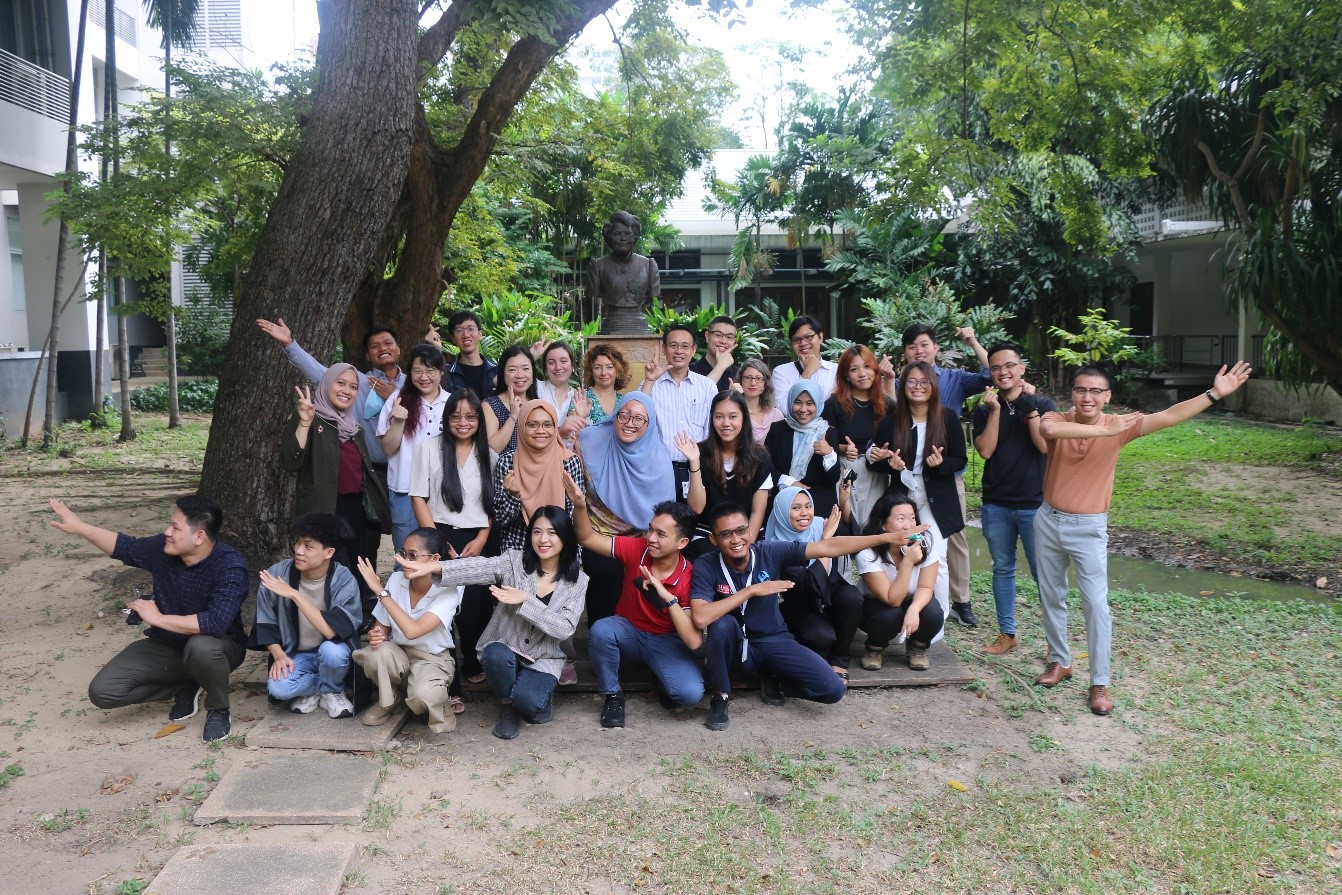
Learning Cities: Drivers for Meaningful Youth Participation in Climate Change Governance
Study Visit with Youth Representatives from 10 ASEAN Countries
11/16/2022
The ASEAN Youth Development Index indicated in 2017 that 33% of the population in the region fell into the category of youth between 15 -35 years. Yet, youth are often not represented in policy making and implementation in ASEAN countries, although many youth initiatives exist on the ground level. To address this gap, the Hanns Seidel Stiftung (HSS), in partnership with the ASEM Lifelong Learning Hub (ASEM LLL Hub), the ASEAN Youth Organisation (AYO), the Global Youth Biodiversity Network (GYBN) and the ASEAN Centre for Biodiversity (ACB) selected 21 youth representatives from 10 ASEAN countries to join a study visit on Learning Cities as drivers for meaningful youth participation to Bangkok and Manila from 6th to 16th November 2022 with support from the Asia-Europe Foundation (ASEF)
The ASEAN study visits on "Learning Cities: Drivers for Youth Participation in Climate Change Governance" focused on the role of cities in ASEAN in tackling the climate crisis, particularly through engagement and collaboration with young people. Strengthening their engagement provides new perspectives on how youth can play a significant role in ASEAN whilst highlighting the need for a more evidence-based policy on youth development.
During the trip, the participants learned about existing structures and processes of policy-making & implementation in the field of Climate Change & Environment field, analysed multilevel governance approaches from the municipal to the global level and discussed how youth participation could be enhanced in these fields for a more significant impact. The programme included workshops & training on youth engagement and learning cities, on-site visits and engagement with local communities & international experts, as well as meetings with representatives from the municipal & national governments and representatives from the ASEAN secretariat.
In Thailand, participants had the chance to discuss with representatives of the city government & with the Environment Department of the Bangkok Metropolitan Administrative (BMA) Bangkok's plan on cities and people engagement on the environment, learn about UN agencies and their engagement with young people & on climate change governance, and witness a vivid example of the effects of climate change during a field trip to Bang Khun Thien, a district being affected by the rise of sea water. Further highlights included trainings by experts from AYO, ACB and the ASEM LLL Hub on youth participation and learning cities, a discussion with Mr. Nattacha Boonchaiinsawat, Member of Parliament as well as a meeting to the Stockholm Environment Institute.

In Manila participants had the opportunity to meet the National Youth Commission, visit the Biodiversity Management Bureau (BMB) and have a discussion with prominent youth and climate activists like Save Philippine Seas, an NGO who implements youth-led projects, designed to help the environment and communities.

As an output of the study trip, the participants mentioned “[…] through the program I had many self-reflections and realized that I need to learn more in all areas covered during the trip. During the study visit, I got the chance to improve soft skills, such us communication and public speaking which I can apply back in my studies and work after the trip. I also became more flexible, more confident, and more independent.” Further take-aways included increased knowledge about decision makers & experts in ASEAN and how to engage with them for a possible collaboration in the future as well as an increased open-mindedness in general.
A summary of the key outcomes and recommendations from the ASEAN study visit can be found in the upcoming ASEAN Youth Report 2023. See more under https://asia.hss.de/en/asean-youth-report/